


.png)
AI Code
January 28, 2026

.png)
TL;DR
Design systems define consistency, but many teams struggle to translate design intent into production-ready UI code. The last mile between Figma and frontend implementation often breaks due to interpretation gaps, not tooling gaps. CodeSpell helps close this gap by bringing design context and component intent directly into the development workflow, enabling UI code that aligns with design system components as they exist in production.
Design systems have become foundational to modern product development. Teams invest significant effort into building shared component libraries, defining visual standards, and documenting usage guidelines. On the design side, tools like Figma make it possible to express these systems clearly and consistently.
Yet, despite strong design systems, inconsistencies often surface once designs reach production. Components are reimplemented instead of reused. Variants are applied inconsistently. Spacing and interaction behavior drift across features.
This gap rarely exists because teams lack discipline or design systems are poorly defined. It exists because the final translation—from design intent to executable UI code—is still heavily manual. Design artifacts describe what should be built visually, while frontend code must express that same intent through component APIs, variants, and constraints. When that translation depends on individual interpretation, variation is inevitable, especially as teams scale.
This is the “last mile” problem: the point where design intent must become production reality.
Design systems excel at defining what components exist and how they should look. What they cannot fully encode is how those components are meant to be consumed inside a living codebase.
Frontend engineers often need to interpret:
These decisions are rarely explicit in design files alone. They live partly in documentation, partly in code, and partly in team knowledge.
This is where CodeSpell becomes relevant early in the workflow. By helping bring design context closer to the point where UI code is written, CodeSpell reduces reliance on memory, guesswork, or late-stage review feedback. Instead of treating design and implementation as separate steps, teams can align design intent with how components are actually structured and reused in code while development is happening.
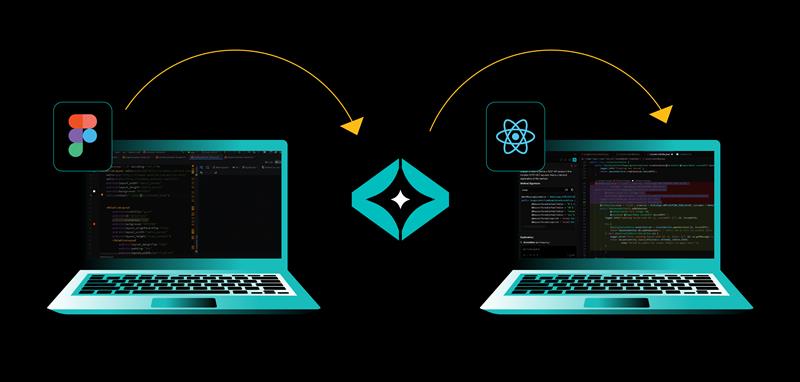
UI code that matches a design system is not defined by pixel accuracy alone. It reflects deeper alignment between intent and implementation.
In practice, this means:
Achieving this consistently is difficult because design tools communicate intent visually, while code communicates intent structurally. Bridging that gap requires understanding not just how something looks, but how it is meant to behave and evolve within the system.
When this understanding is missing, teams end up with UI that looks correct in isolation but diverges over time, increasing maintenance cost and review effort.
Generating UI code that truly aligns with a design system requires awareness of both design intent and the existing frontend ecosystem. Design context must be interpreted in relation to the actual component library, project structure, and established UI patterns.
CodeSpell supports this by bringing design context into the frontend development workflow itself. Working inside the IDE and with awareness of the codebase, it helps map design intent to real, reusable components rather than producing isolated implementations. Developers remain fully in control, reviewing and adapting generated output while benefiting from reduced rework and stronger consistency.
The goal is not to automate design decisions away from engineers, but to reduce unnecessary interpretation and ensure that UI code reflects the design system as it exists in production.
When the last mile between design and code is properly bridged, the impact goes beyond visual consistency. Design systems see higher adoption. Engineers spend less time reinterpreting designs or correcting drift. Code reviews focus more on behavior and logic rather than UI inconsistencies.
Most importantly, design systems evolve from static references into executable systems that scale with the organization. Design intent flows more directly into production, without constant clarification or correction.
Bridging the last mile ensures that what teams design is what users ultimately experience, consistently, predictably, and at scale.


Don’t Miss Out
We share cool stuff about coding, AI, and making dev life easier.
Hop on the list - we’ll keep it chill.
© 2026, CodeSpell.ai. All Rights Reserved
.png)


